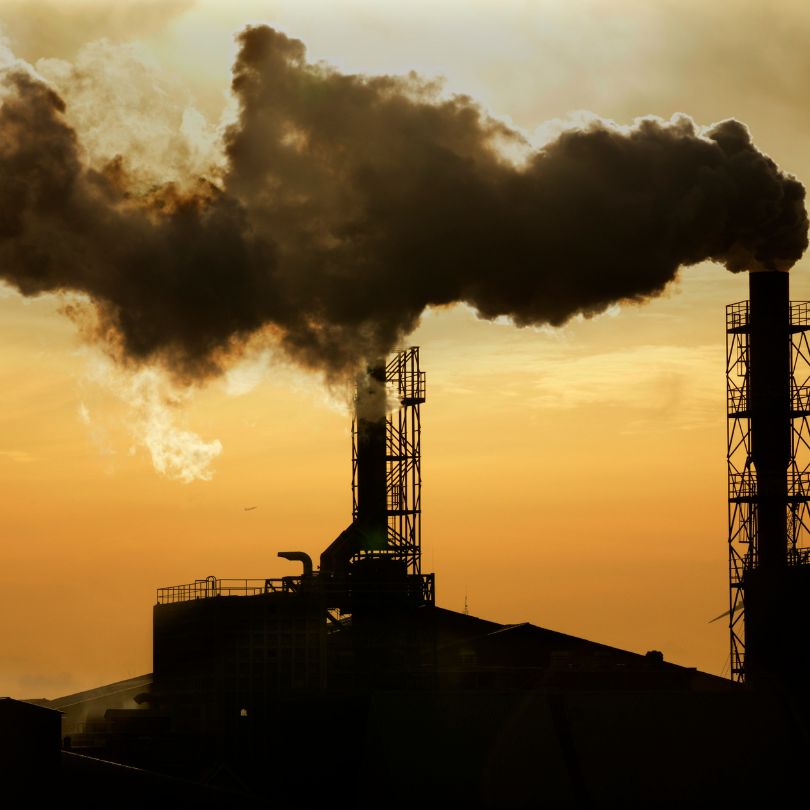
Environmental Pollution Liability Insurance is for businesses exposed to environmental risks that need protection against third-party claims, regulatory authorities and remediation costs arising from sudden or gradual pollution. It provides cover for clean-up costs, environmental audits and measurements, legal assistance, and damage to natural resources, water, soil or air.
In an increasingly stringent regulatory framework and with growing sensitivity to environmental and sustainability issues, this insurance is a critical tool for compliance, corporate responsibility and effective risk management. It contributes substantially to limiting significant financial and legal exposures that can affect the operation and reputation of the business.
The insurance solution is formulated based on each company’s activity, facilities and environmental footprint. Maxima Insurance offers independent environmental risk assessment, comparison of specialized insurance programs and full claims management support, so that the business can operate safely, transparently and fully
I am interested in the programme
Frequently Asked Questions
Find answers to key questions about the plan and get information before you choose the coverage that’s right for you.
This is the most crucial question. Customers should be aware that general policies usually only cover sudden and accidental pollution incidents. In contrast, specialist environmental insurance also covers gradual pollution (e.g. a spill that occurs slowly over months), which is usually excluded from standard policies.
The answer depends on the activity. Clients ask whether they fall into the categories defined by Presidential Decree 148/2009, which makes insurance or financial guarantee mandatory for high-risk activities, such as: Waste management, collection and transport. Production of hazardous substances or fertilizers. The operation of industrial installations.
Customers want to know if insurance only pays for cleaning. In fact, they are covered: Primary restoration: restoring the environment (water, soil, biodiversity) to its previous state. Complementary & complementary Compensatory restoration: measures imposed if full restoration is not possible.
This is the legacy contamination question. Buyers of new installations ask whether the contract covers damage caused by previous owners and discovered now. This requires a specific provision in the contract.
Customers ask about off-site migration coverage. The insurance covers both clean-up costs at their own site and third-party claims for bodily injury or property damage due to pollution that has “migrated” elsewhere.
Common exceptions that customers are concerned about include: Fault or gross negligence. Known problems that were not remedied prior to insurance. Asbestos or mold damage (often requiring additional coverage).